
The Evolution of Communication: How Distributed Antenna Systems Shape Connectivity
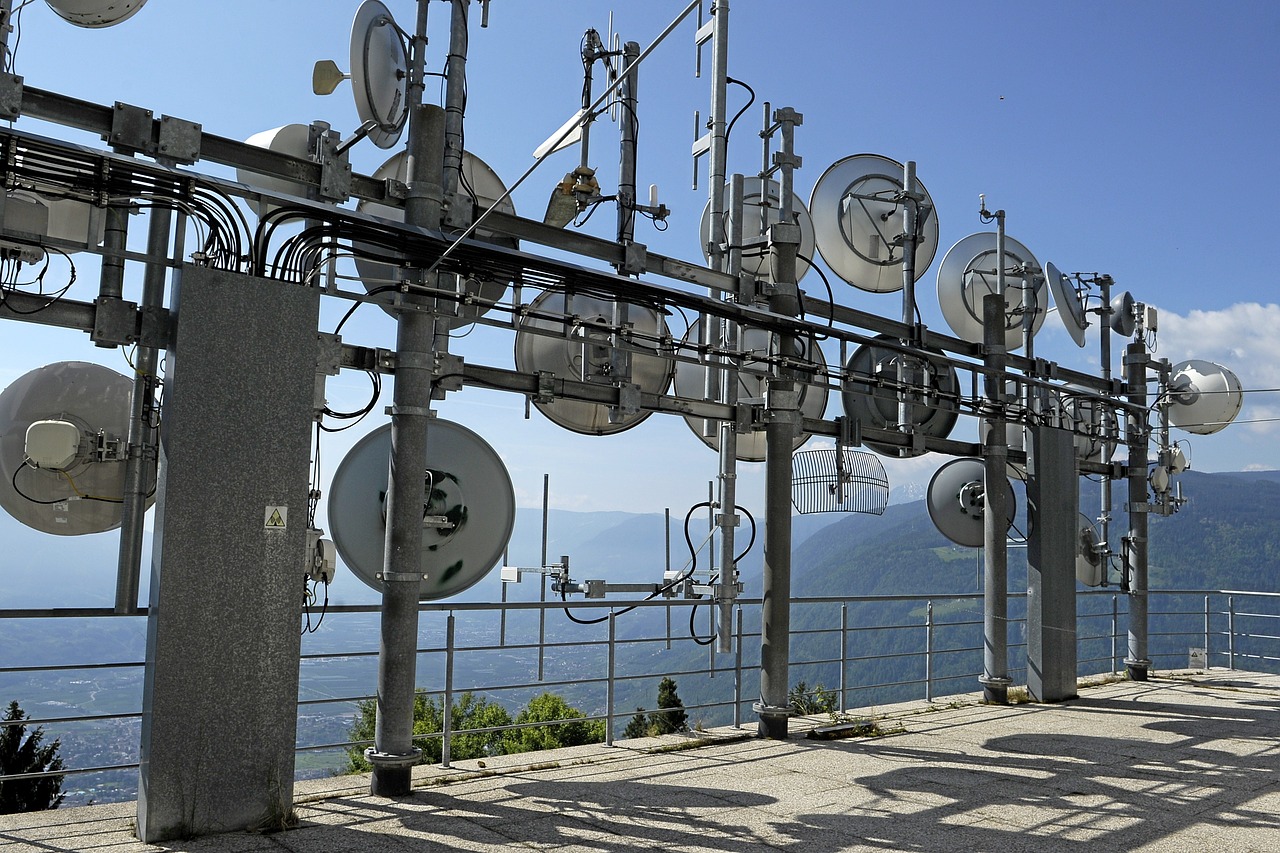
In our increasingly connected world, the demand for seamless communication has never been greater. From bustling urban centers to remote rural areas, the need for reliable connectivity drives innovation in telecommunications technology. Among the many advancements shaping our communication landscape, distributed antenna systems (DAS) stand out as a pivotal solution, revolutionizing the way we stay connected.
A New Era of Connectivity
The evolution of communication has been marked by transformative shifts in technology, from the advent of landline telephones to the rise of wireless networks. In today’s digital age, where smartphones, tablets, and IoT devices reign supreme, the demand for high-speed, uninterrupted connectivity is at an all-time high. Distributed antenna systems represent a groundbreaking approach to meeting this demand, offering enhanced coverage and capacity for wireless communication networks.
Understanding Distributed Antenna Systems
At its core, a distributed antenna system is a network of antennas strategically distributed throughout a given area to improve wireless signal coverage and capacity. Unlike traditional macrocell towers, which rely on a single, centralized antenna to provide coverage over a wide area, DAS decentralizes the antenna infrastructure, allowing for more efficient distribution of wireless signals. By deploying multiple antennas in key locations, DAS effectively eliminates coverage gaps and improves signal strength, resulting in better connectivity for users.
Enhancing In-Building Coverage
One of the key applications of distributed antenna systems is in improving in-building wireless coverage. In environments such as office buildings, hospitals, stadiums, and airports, traditional cellular networks often struggle to penetrate dense building materials and overcome interference from structural elements. DAS addresses these challenges by deploying antennas strategically throughout the building, ensuring that users have access to reliable wireless connectivity wherever they go.

Supporting High-Density Environments
In addition to improving coverage in buildings, distributed antenna systems are also well-suited for addressing the connectivity needs of high-density environments, such as urban centers and public venues. By distributing antennas across a wide area, DAS can accommodate large numbers of users simultaneously without sacrificing performance or bandwidth. This makes DAS an ideal solution for venues hosting concerts, sporting events, conferences, and other gatherings where connectivity demands are high.
Facilitating Future Technologies
As we look to the future of communication, distributed antenna systems will continue to play a crucial role in supporting emerging technologies such as 5G, IoT, and smart cities. With their ability to provide robust, reliable connectivity in diverse environments, DAS serves as a foundational infrastructure that enables the seamless integration of new technologies and applications.
In Conclusion
Distributed antenna systems represent a transformative force in the evolution of communication, shaping the way we connect with the world around us. By decentralizing antenna infrastructure and improving coverage and capacity, DAS enhances connectivity in buildings, public spaces, and high-density environments, paving the way for a more connected and integrated future.
